If Las Vegas makes you think only of casinos, bright lights, and packed resort corridors, you are missing how most people actually live here. For residents, Las Vegas is a city of neighborhoods, routines, parks, community spaces, and local gathering spots that feel far removed from the Strip. If you are thinking about moving here, buying, or selling, this guide will help you understand what residential life in Las Vegas really looks like. Let’s dive in.
Las Vegas Is More Than The Strip
Las Vegas planning materials describe the city as a collection of neighborhoods and places, not just a tourist destination. The city’s 2050 Master Plan identifies 16 community planning areas tied to housing, transportation, open space, land use, and services.
That matters if you are trying to picture daily life here. Instead of one single lifestyle, Las Vegas offers a range of living environments, from urban blocks near downtown to lower-density neighborhoods on the valley’s edges.
Established Areas And Historic Roots
Some parts of Las Vegas feel more established because they are closely tied to the city’s early growth. Downtown Las Vegas is the original city core and remains the city’s most urban residential setting, with a walkable grid and a mix of residential, civic, and commercial uses.
Within and near that core, you will find places the city highlights for their history and identity. West Las Vegas has deep historical significance and post-World War II development patterns, while Charleston is known for a postwar suburban layout and Rancho for historic homes and mid-century design.
The city also notes that John S. Park and Beverly Green are part of its historic register. For buyers who want an older neighborhood feel, these areas can offer a different experience from newer parts of the valley.
Newer Growth At The Edges
If you are looking for newer development, the northwest side of Las Vegas often reads as the city’s quieter suburban edge. The city describes several neighborhoods there as lower-density, master-planned, or still growing.
Summerlin North is part of a master plan with walkable neighborhoods, trails, and parks. Summerlin West is still growing and sits near Red Rock Canyon, which gives it a newer-edge feel compared with more established areas closer to downtown.
Centennial Hills is described as a fast-growing area with large-scale parks, newer developments, homes, schools, and shopping. Tule Springs is framed as a neighborhood with a residential focus and nearby nature, while Lone Mountain and La Madre Foothills are associated with lower-density living and trail access.
Neighborhoods With A Suburban Feel
If your priority is space, neighborhood parks, and a more suburban pace, several parts of Las Vegas fit that description. The city points to Summerlin North, Centennial Hills, Tule Springs, Angel Park, Lone Mountain, and La Madre Foothills as areas shaped by open space, trail systems, or master-planned design.
Angel Park is described as an established master-planned neighborhood with golf and open space. Centennial Hills and Tule Springs stand out for buyers who want newer development patterns and access to large parks and everyday conveniences.
It is also helpful to know that suburban Las Vegas does not look exactly like suburban life in other metro areas. Here, outdoor space, shade, low-water landscaping, and access to indoor community amenities can play a much bigger role in how a neighborhood feels day to day.
East Las Vegas And Everyday Community Life
East Las Vegas adds another important layer to the city’s residential picture. The city describes it as a tight-knit, multicultural residential area where parks, schools, and community centers act as neighborhood anchors.
For many residents, that kind of daily infrastructure matters more than proximity to resort attractions. It shapes where you spend time after work, where you exercise, and where you connect with neighbors during the week.
What Daily Life Looks Like
One of the easiest ways to understand residential Las Vegas is to look at how people spend a normal week. In many neighborhoods, daily life revolves around nearby parks, community centers, mixed-use destinations, and local dining areas instead of the Strip.
The city’s parks and recreation system plays a major role in that routine. Residents use community centers, adult classes, fitness options, and local parks as part of regular life, not just special occasions.
Parks And Recreation Matter Here
Centennial Hills Park is a 120-acre regional park with a dog park, pickleball, soccer fields, water play, and an amphitheater. For households comparing neighborhoods, amenities like that can make a real difference in how often you get outside and what weekend plans look like.
Floyd Lamb Park at Tule Springs offers a very different kind of setting. At 680 acres, it includes wildlife, lakes, and the historic Tule Springs Ranch, which gives that part of the city a more nature-connected feel.
Centennial Hills Center adds another layer to everyday convenience with exercise classes, social activities, computer learning, fitness options, and an indoor lap pool. In a desert climate, access to indoor and shaded amenities can be just as valuable as outdoor recreation.
Arts And Community Spaces Shape Local Life
Las Vegas neighborhoods also rely on arts and civic spaces in ways many out-of-town buyers may not expect. Charleston Heights Arts Center offers theater, classes, gallery exhibitions, and space for community arts groups.
Downtown, the Civic Center & Plaza supports community programming and gives residents access to nearby restaurants and parking. In Historic Westside, the West Las Vegas Library opened on December 9, 2025, as a roughly 41,000-square-foot community anchor with an innovation lab, podcast and recording studios, an art gallery, flexible event space, and a commercial kitchen.
The city also says The Good Word Market Hall will bring local vendors, housing, dining, entertainment, and community-focused programming to the neighborhood. Projects like that reinforce the idea that residential Las Vegas is built around local hubs, not just visitor destinations.
Dining And Social Life Beyond Resorts
If you live in Las Vegas, your social life does not have to center on the Strip. In fact, many of the strongest dining and gathering areas are neighborhood-based.
Downtown Summerlin is described as a walkable destination for dining, retail, entertainment, sports, office space, and luxury living. Tivoli Village offers another outdoor mixed-use setting where restaurants and retailers create an easy place to meet friends or spend a casual evening.
Downtown Las Vegas is where the city says local life is most visible. It combines walkable streets, restaurants, arts venues, and more residents living in the urban core, which gives it a very different feel from the resort corridor.
Local Urban Energy Downtown
The Arts District, Fremont East, and Symphony Park stand out if you want a more local-urban experience away from the Strip. The city describes the Arts District as one of its premier destinations, with shops, galleries, restaurants, and Brewery Row.
Fremont East is a pedestrian-friendly multi-block district with bars, dining, and retail. Symphony Park serves as a cultural hub tied to arts, science, medicine, and mixed-use development, with convenient regional access.
For buyers deciding between downtown and more suburban neighborhoods, these districts help show how different Las Vegas lifestyles can be. You can build your week around walkable blocks and local dining, or around trails, parks, and neighborhood centers.
Desert Climate Shapes Homeownership
The desert is not just a backdrop in Las Vegas. It affects how you use your home, how you landscape your yard, and when you spend time outside.
The National Weather Service describes the Las Vegas Valley as a broad desert basin, with an urban heat island that is strongest downtown and along the Strip. In practical terms, that often means outdoor routines shift to early mornings or evenings during the summer.
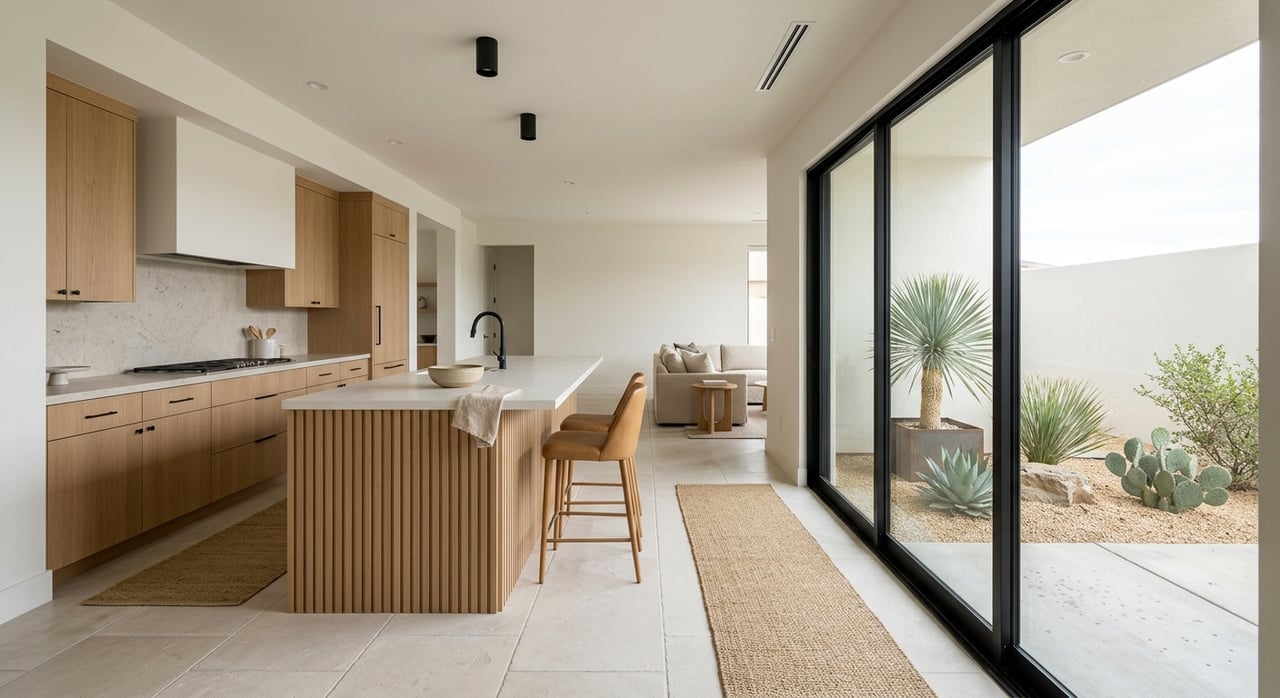
For many homeowners, shaded patios, indoor recreation, and low-maintenance yards become important quality-of-life features. When you are comparing homes, it helps to think beyond square footage and ask how a property works in desert conditions.
Water Use And Yard Design
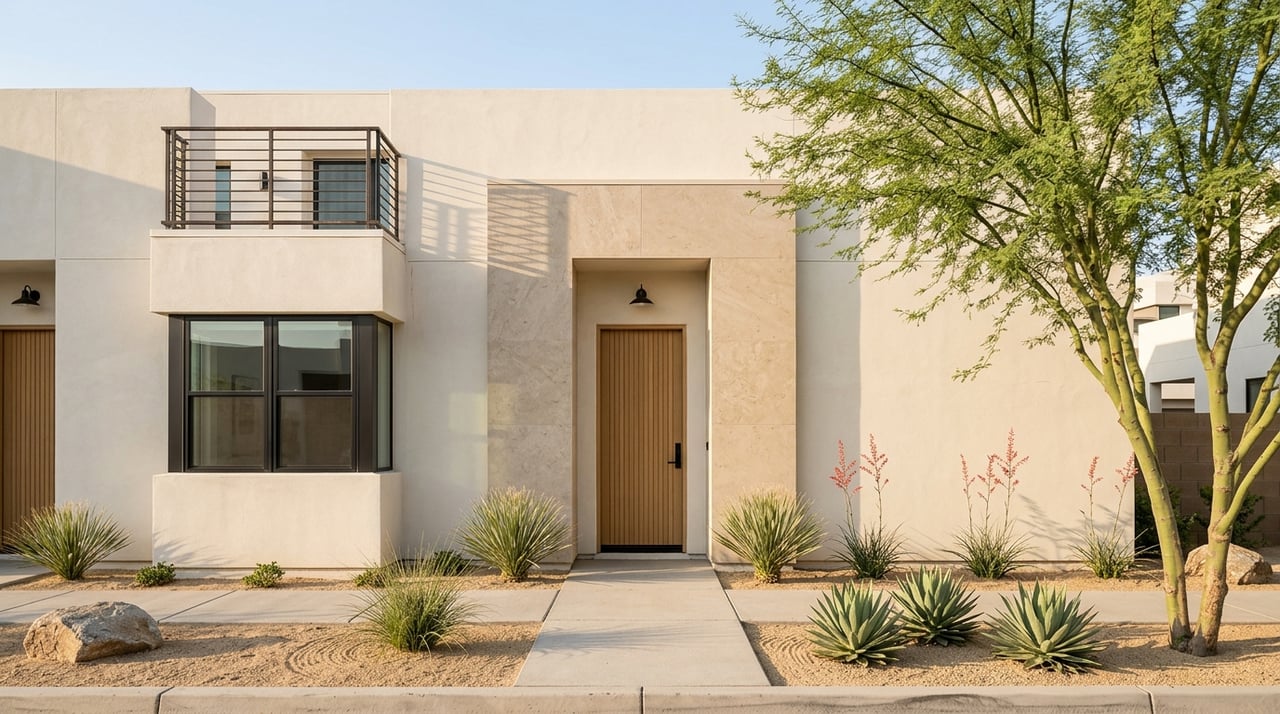
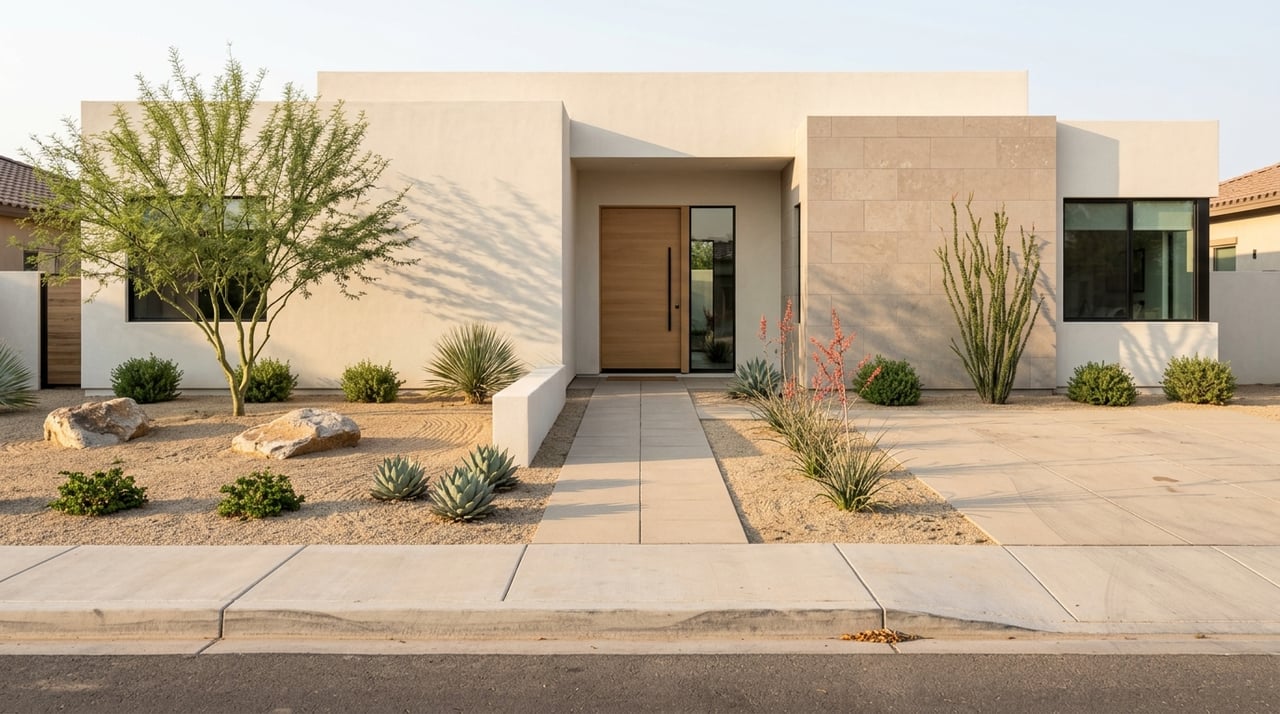
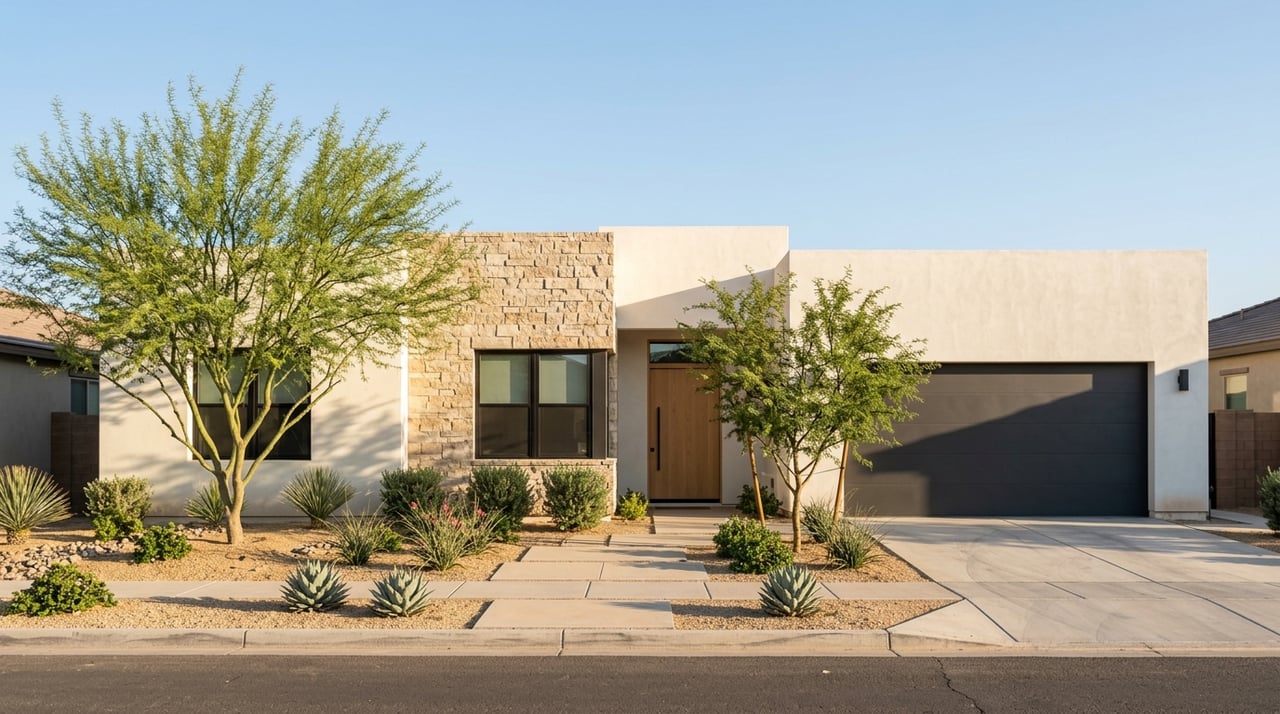
Water efficiency is also a practical part of owning a home here. The Southern Nevada Water Authority offers a rebate for single-family turf conversion to desert landscaping at $5 per square foot for the first 10,000 square feet.
That helps explain why many Las Vegas homes feature desert landscaping instead of traditional grass lawns. Xeriscaped yards are not just a style choice here. They often reflect the realities of climate, maintenance, and long-term water use.
Getting Around Las Vegas
Your experience of Las Vegas can also change a lot depending on where you live. RTC Southern Nevada provides transit service across Las Vegas, downtown Las Vegas, Boulder City, and Henderson, along with route schedules, detour alerts, and an interactive map.
In the urban core, some residents may lean more on transit and walking for parts of daily life. In lower-density or still-growing areas like Centennial Hills, Tule Springs, and Summerlin West, the neighborhood pattern tends to suggest a more car-oriented routine.
That difference can affect everything from your commute to how you choose restaurants, parks, and errands. It is one more reason neighborhood fit matters as much as the house itself.
What This Means For Buyers And Sellers
If you are buying in Las Vegas, the key is to match your home search with the kind of routine you want. Some neighborhoods offer older character, central location, and local urban energy, while others offer newer homes, open space, and a quieter suburban pace.
If you are selling, understanding your neighborhood’s lifestyle story can help shape how your home is positioned. Buyers are often comparing not just price and features, but also access to trails, parks, dining, arts, and the kind of day-to-day rhythm they want.
Las Vegas is not one-note. It is a city where your residential experience can look very different depending on whether you want a walkable downtown setting, an established historic area, or a newer edge neighborhood with room to grow.
If you want help narrowing down neighborhoods, pricing your current home, or understanding how different parts of the valley fit your goals, Darius Hollis + Chris Bishop Signature NV offers thoughtful, low-pressure guidance for buyers and sellers across the Las Vegas Valley.
FAQs
Which Las Vegas neighborhoods feel the most established?
- Downtown Las Vegas, West Las Vegas, Charleston, Rancho, John S. Park, and Beverly Green are among the areas most connected to the city’s earlier development and historic identity.
Which Las Vegas neighborhoods feel newer or still growing?
- Summerlin West, Centennial Hills, and Tule Springs are commonly associated with newer growth patterns, master-planned development, or still-expanding residential areas.
What do Las Vegas residents do for fun outside the Strip?
- Many residents spend time at neighborhood parks, community centers, arts venues, local dining districts, Downtown Summerlin, Tivoli Village, the Arts District, Fremont East, and Symphony Park.
How does the Las Vegas climate affect daily routines?
- Because the valley has a desert climate and strong summer heat, many outdoor routines shift to mornings or evenings, and indoor or shaded community spaces become especially important.
Why do so many Las Vegas homes have desert landscaping?
- Desert landscaping fits local climate conditions and water-use priorities, and the Southern Nevada Water Authority offers turf-conversion rebates for qualifying single-family properties.
Is downtown Las Vegas different from living near the Strip?
- Yes. Downtown Las Vegas is described by the city as a walkable urban core with residential, civic, dining, and arts uses, while the Strip is primarily known as a resort and visitor corridor.